
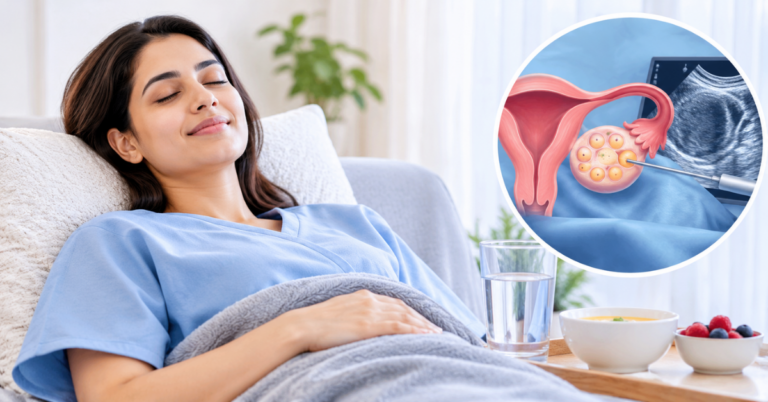
Egg retrieval is an important step in In Vitro Fertilisation (IVF), during which mature eggs are collected from the ovaries using a specialised procedure. It is generally performed under sedation or anaesthesia. Recovery after egg retrieval is important because the ovaries may remain enlarged and sensitive following ovarian stimulation. Understanding what to expect can help women manage discomfort and recognise symptoms that require medical attention.
1. What Happens Immediately After Egg Retrieval?
After the procedure, patients are shifted to a recovery area where the medical team monitors their vital signs and overall condition. Mild abdominal discomfort, bloating, or drowsiness may occur as the effects of sedation wear off. Most patients can return home on the same day once they are medically stable. Someone should accompany them because driving immediately after sedation is not recommended.
2. Common Symptoms During Recovery
Some temporary symptoms are common after egg collection, including:
- Mild abdominal cramps or pelvic discomfort.
- Bloating due to enlarged ovaries.
- Light vaginal spotting.
- Fatigue or drowsiness.
- Mild nausea or abdominal tenderness.
These symptoms usually improve gradually, although their intensity varies depending on individual ovarian response and overall health.
3. How Long Does Recovery Take After Egg Retrieval?
Many women feel better within a day or two, but complete recovery may take longer. The duration depends on the number of eggs collected, ovarian response to stimulation, and individual health conditions. Women who experience significant bloating or complications may require additional monitoring and recovery time.
4. What Should You Do After Egg Retrieval?
Following appropriate precautions can support recovery:
- Get adequate rest: Allow your body time to recover after the procedure.
- Stay hydrated: Drink sufficient fluids unless your doctor advises otherwise.
- Avoid strenuous activities: Do not perform heavy lifting or intense exercise until medically cleared.
- Follow medication instructions: Take prescribed medicines as directed.
- Attend follow-up appointments: Regular assessments help monitor ovarian recovery and the next IVF treatment steps.
5. What Are The Warning Signs After Egg Retrieval?
Contact your fertility specialist promptly if you experience severe or worsening abdominal pain, rapidly increasing swelling, persistent vomiting, difficulty breathing, reduced urine output, heavy vaginal bleeding, or fever.
These symptoms may indicate complications such as Ovarian Hyperstimulation Syndrome (OHSS), which can develop after ovarian stimulation. Early medical assessment is important to identify complications and provide appropriate treatment.
6. Nutrition And Diet During Recovery
A balanced diet can support general health during recovery. Include protein-rich foods such as eggs, pulses, paneer, and lean meats, along with fresh fruits, vegetables, and fibre-rich foods. Drink adequate fluids and choose easily digestible meals if you experience nausea or bloating. Avoid making major dietary changes without medical advice.
Following a personalized after ivf diet chart can help women maintain balanced nutrition during recovery after egg retrieval and subsequent IVF treatment stages. A fertility specialist or qualified dietitian can recommend suitable dietary choices based on individual nutritional needs and medical conditions.
FAQs
1. How many days does it take to recover after egg retrieval?
Many women feel better within one or two days, although recovery time varies depending on individual health and ovarian response.
2. Is abdominal bloating normal after egg retrieval?
Mild bloating is common because the ovaries may remain enlarged after stimulation. Increasing or severe bloating requires medical assessment.
3. Can I resume normal activities the day after egg retrieval?
Light activities may be possible, but strenuous exercise and heavy lifting should be avoided until your fertility specialist provides clearance.
4. What foods should I eat after egg retrieval?
Choose balanced meals containing protein, fruits, vegetables, fibre, and adequate fluids to support general recovery.
5. When should I contact my fertility specialist after egg retrieval?
Contact your doctor if you experience severe pain, heavy bleeding, fever, persistent vomiting, breathing difficulties, or reduced urine output.
